Low Clearance Waste Collection Sydney
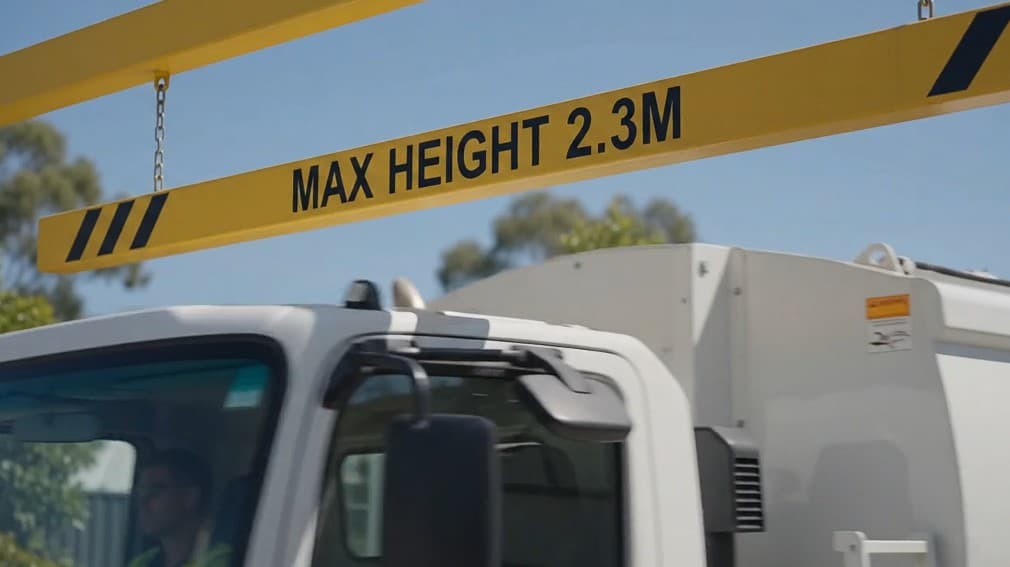
Waste areas are increasingly located below ground or inside restricted-access environments. Australian Waste Services uses specialist vehicles that can operate in many Sydney locations with clearance from 2.4 metres.
Collection where access shapes the service
Underground car parks, basement loading areas and enclosed waste bays may not be suitable for conventional waste trucks. The challenge is not only overall height. Ramps, turning areas, doors, pipes, signs and the position of parked vehicles can all affect the route to the bins.
Australian Waste Services works with apartment buildings, hotels, serviced apartments, shopping centres and restricted commercial sites. Facilities and building managers can help by documenting the vehicle path from the street to the collection point and identifying any access control or shared loading-dock arrangements.
Assess the full vehicle route
A stated height at the property entrance is useful, but the lowest point may be further inside. Height bars, gradients, overhead services and changes in level should be considered along the full route. Turning room and the ability to approach the waste bay are also part of a workable assessment.
Our fleet page explains that specialist vehicles can operate in many locations with clearance from 2.4 metres. The trucks measure 2.3 metres, so 2.4 is the working minimum rather than a figure with room in it. That is not a promise that every route at that height is serviceable; the particular property and collection point still need to be discussed. Share photographs, measurements and site procedures where available.
What size bin do I need?
In a restricted waste area, bin selection has to account for movement as well as capacity. The container must fit in the allocated bay and pass through any doors or corridors used by building staff. It must also be positioned so collection can occur without creating an avoidable obstruction.
Collection frequency and the mix of waste streams affect how much bin space is required. A hotel may need general waste, recycling and food organics services, while an apartment or commercial building may have another combination. Reviewing the complete waste area can be more useful than selecting each bin separately.
Coordinate building operations
Loading docks and basement areas are often shared with deliveries, cleaners, residents and contractors. A collection plan should identify when access is possible, who controls doors or gates and whether bins need to be moved into position. Clear instructions help the building team and driver work with the same expectations.
Low-clearance capability can support commercial waste, recycling and food organics collections where the site is suitable. Contact Australian Waste Services with the Sydney address, the waste stream and known access constraints. The team can discuss the property rather than relying on a generic access assumption.
Related waste services
Commercial waste collection · Food and organic waste collection · Recycling and resource recovery
Need a Better Waste Solution?
From everyday collections to complex sites and specialist access requirements, Australian Waste Services has the experience and capability to help.
Australian Waste Services — Reliable. Flexible. Responsive.